How Common is Autoimmunity?
Autoimmune disease has become one of the most significant and rapidly expanding health challenges in modern medicine. Epidemiological trends suggest that up to 1 in 2 individuals may develop some degree of autoimmune dysregulation over their lifetime, whether clinically diagnosed or subclinical in nature. This growing prevalence underscores the need to understand underlying mechanisms rather than relying solely on symptom-based management.
Title
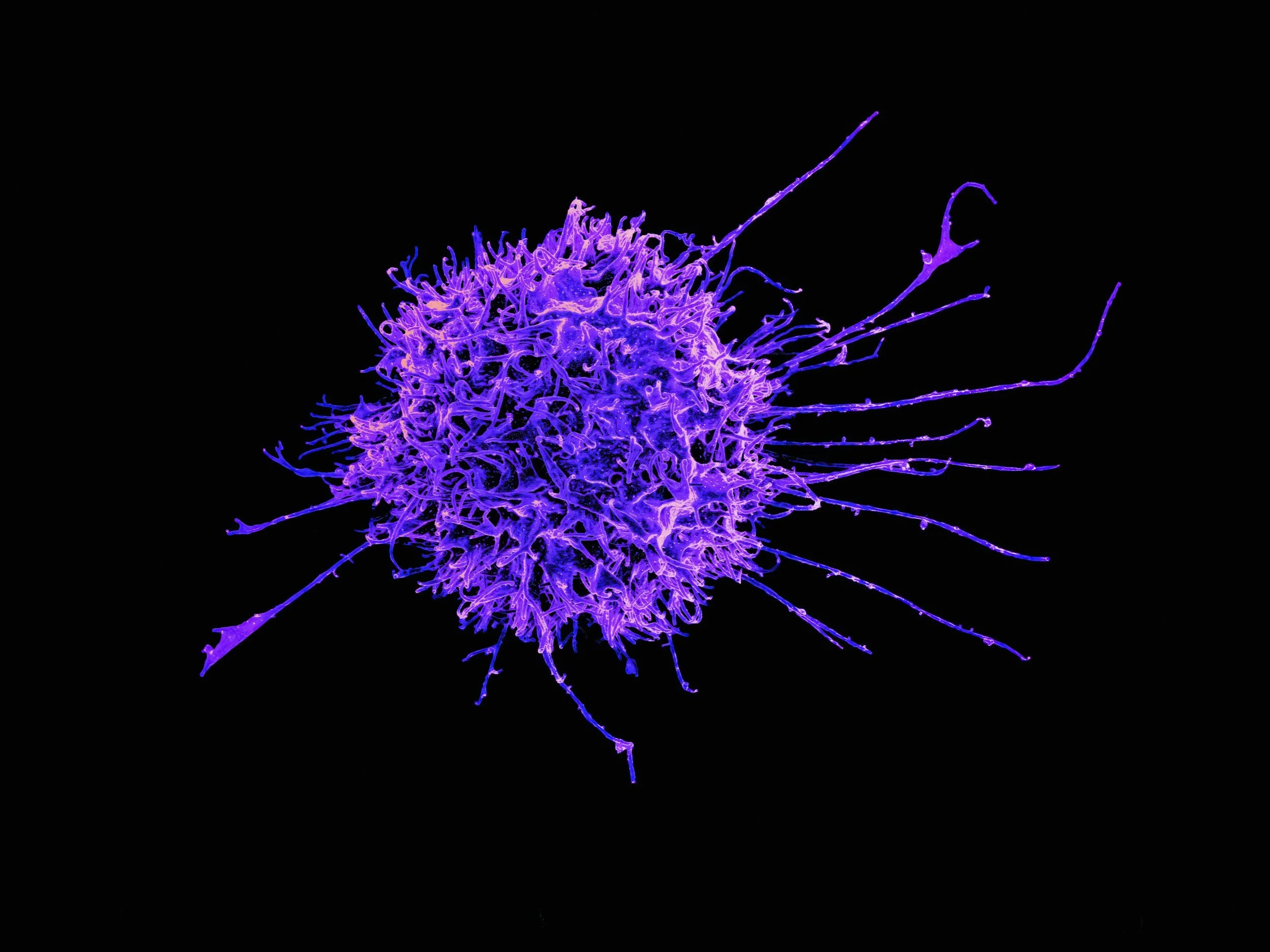
From a functional and integrative perspective, autoimmunity frequently originates in the gut. The gastrointestinal system is central to immune regulation, housing approximately 70–80% of the body’s immune cells. When the intestinal barrier is compromised—a condition known as increased intestinal permeability or “leaky gut”—antigens such as undigested food proteins, bacterial endotoxins, and environmental toxins can enter systemic circulation. This can provoke chronic immune activation and loss of self-tolerance (Fasano, 2012).
The gut microbiome plays a critical role in this process. Specific bacteria and viruses have been associated with particular autoimmune diseases. For example, Prevotella copri has been linked to rheumatoid arthritis, while viral agents such as Epstein-Barr virus are strongly associated with systemic lupus erythematosus and multiple sclerosis (Scher et al., 2013; Balandraud et al., 2013). Mechanistically, this may occur through molecular mimicry, where microbial antigens resemble host tissues, leading the immune system to mistakenly attack the body.
Genetics contribute to susceptibility, but they are not deterministic. A more accurate model involves genetic predisposition influenced by epigenetic modulation, sometimes described as genetic “redistribution.” Environmental inputs—including diet, toxins, stress, and infections—alter gene expression without changing DNA sequences. This dynamic regulation explains why individuals with similar genetic backgrounds may experience vastly different health outcomes (Richardson, 2007).
Environmental triggers are central to autoimmune activation. Factors such as heavy metals, pesticides, processed foods, chronic psychological stress, medications, and persistent infections can disrupt immune tolerance. When combined with dysbiosis and intestinal permeability, these exposures create a cascade that promotes chronic inflammation and autoimmunity.
A root-cause approach to autoimmune conditions focuses on restoring gut integrity, rebalancing microbial ecology, identifying infectious contributors, reducing toxic load, and supporting immune modulation. This systems-based strategy moves beyond symptom suppression and aims to reestablish immune tolerance and long-term physiological resilience.
References
Fasano, A. (2012). Leaky gut and autoimmune diseases. Clinical Reviews in Allergy & Immunology, 42(1), 71–78.
Scher, J. U., et al. (2013). Expansion of intestinal Prevotella copri correlates with enhanced susceptibility to arthritis. eLife, 2, e01202.
Balandraud, N., et al. (2013). Epstein-Barr virus and rheumatoid arthritis. Joint Bone Spine, 80(6), 574–579.
Richardson, B. (2007). Primer: Epigenetics of autoimmunity. Nature Clinical Practice Rheumatology, 3(9), 521–527.
Belkaid, Y., & Hand, T. W. (2014). Role of the microbiota in immunity and inflammation. Cell, 157(1), 121–141.
Honda, K., & Littman, D. R. (2016). The microbiota in adaptive immune homeostasis and disease. Nature, 535(7610), 75–84.
Cho, J. H., & Feldman, M. (2015). Heterogeneity of autoimmune diseases: Pathophysiologic insights from genetics and implications for new therapies. Nature Medicine, 21(7), 730–738.
