What The Stress of Life Teaches Us About Chronic Disease and Healing
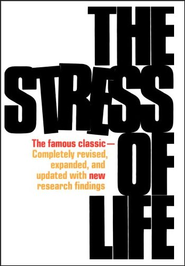
Stress has become so common that many people accept it as a normal part of life. However, decades ago, pioneering endocrinologist Dr. Hans Selye changed the way medicine viewed stress with his groundbreaking book, The Stress of Life. His research demonstrated that it is often not the stressful event itself that damages the body, but our body's prolonged response to stress.
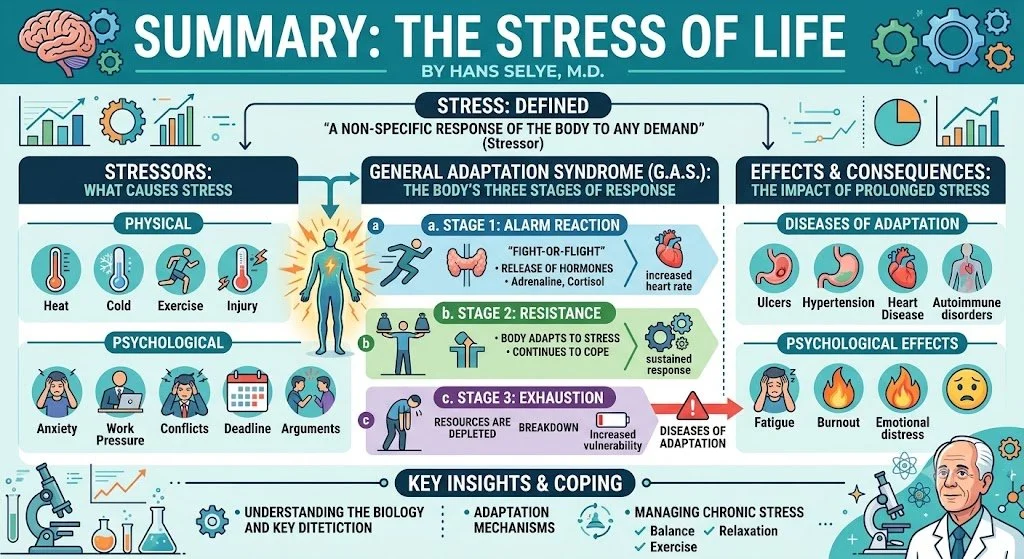
Dr. Selye introduced the concept of the General Adaptation Syndrome (GAS), describing three stages of the body's response to stress: the alarm stage, the resistance stage, and finally the exhaustion stage. During the alarm stage, the adrenal glands release stress hormones such as cortisol and adrenaline, preparing the body for "fight or flight." If stress continues, the body enters the resistance stage, where it attempts to adapt. Eventually, chronic stress may lead to exhaustion, leaving the body more vulnerable to illness.
From a holistic healthcare perspective, this concept remains as relevant today as when Dr. Selye first published his work. Modern stressors—including poor sleep, processed foods, financial pressures, environmental toxins, chronic infections, and emotional trauma—can continually activate the body's stress response. Over time, this may contribute to fatigue, digestive disorders, hormone imbalances, weakened immunity, cardiovascular disease, anxiety, depression, and chronic inflammation.
In my clinical experience, many patients suffering from chronic fatigue, thyroid dysfunction, digestive problems, allergies, and persistent pain are living in a constant state of physiological stress. While medications may help manage symptoms, addressing the underlying stress response is often essential for lasting recovery.
A holistic approach focuses on restoring balance rather than simply masking symptoms. This may include optimizing nutrition, improving sleep quality, supporting healthy adrenal function, correcting nutritional deficiencies, reducing exposure to environmental toxins, restoring gut health, engaging in regular physical activity, and practicing stress-reduction techniques such as prayer, meditation, deep breathing, and mindfulness. Identifying and resolving unresolved emotional stress can also play an important role in healing.
Dr. Selye's work reminds us that stress is not merely an emotional experience—it is a biological process that affects every cell in the body. By recognizing chronic stress as a root contributor to illness and taking proactive steps to restore resilience, we can improve both physical and emotional health.
More than 70 years after its publication, The Stress of Life continues to provide valuable insight into why chronic stress matters and why managing it is one of the most important investments we can make in our long-term health.
References
The Stress of Life. Selye H. McGraw-Hill; 1956.
Hans Selye. "The General Adaptation Syndrome and the Diseases of Adaptation." Journal of Clinical Endocrinology. 1946;6:117–230.
McEwen BS. Protective and damaging effects of stress mediators. New England Journal of Medicine. 1998;338(3):171–179.
McEwen BS. Physiology and neurobiology of stress and adaptation: Central role of the brain. Physiological Reviews. 2007;87(3):873–904.
Cohen S, Janicki-Deverts D, Miller GE. Psychological stress and disease. JAMA. 2007;298(14):1685–1687.
