How to Test for Toxins in the Body
In today's world, we are exposed to thousands of chemicals and environmental toxins through our food, water, air, household products, and personal care items. While the human body is equipped with natural detoxification systems, excessive toxic exposure can overwhelm these mechanisms and contribute to fatigue, brain fog, digestive problems, hormone imbalances, autoimmune conditions, and chronic inflammation. A holistic doctor seeks to identify underlying toxic burdens that may be interfering with optimal health and healing.
Unlike conventional medicine, which often focuses on treating symptoms, holistic and functional medicine practitioners aim to identify the root causes of illness. One important aspect of this approach is evaluating a patient's toxic load.
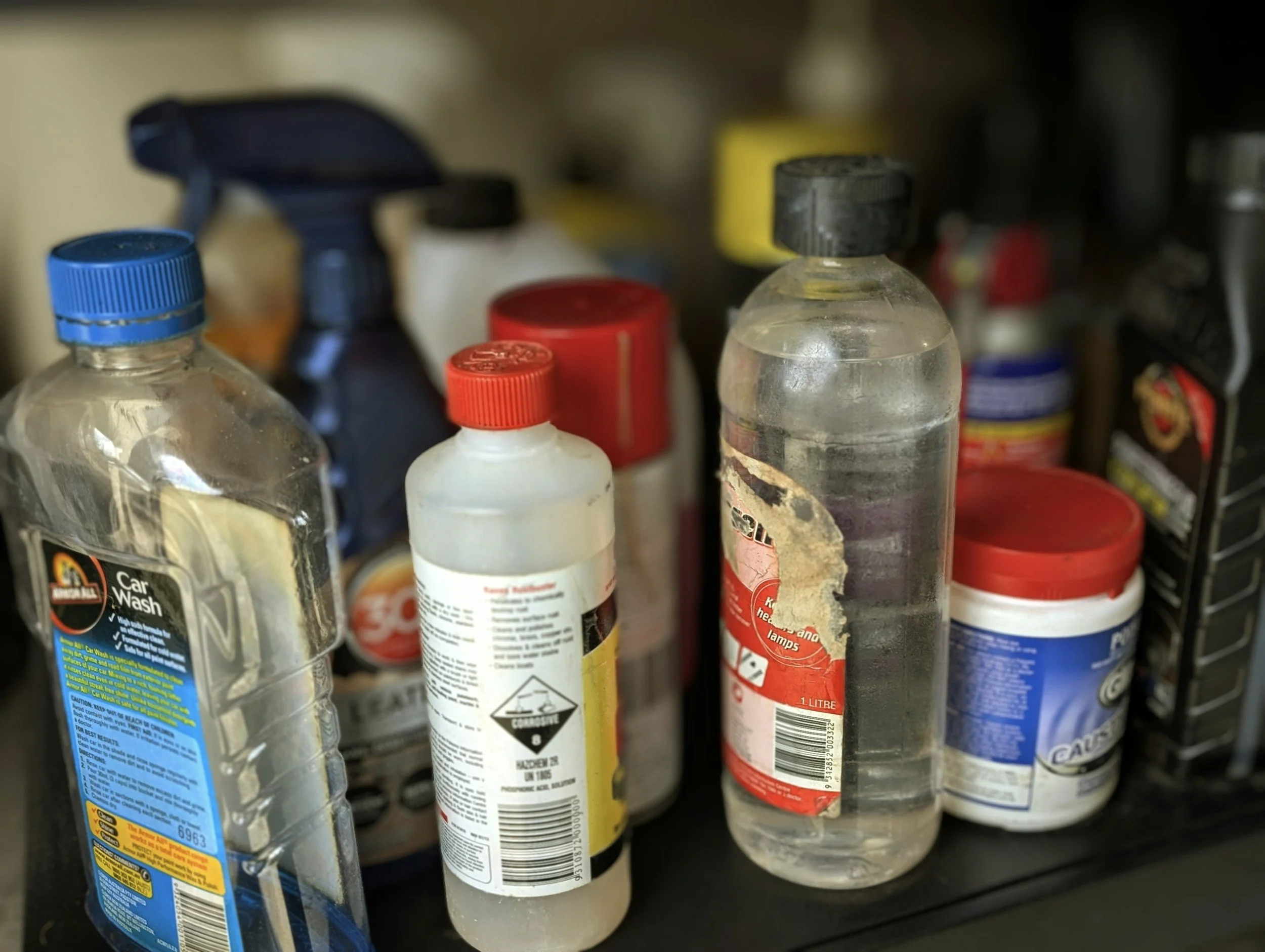
Comprehensive Health History
The first step in assessing toxins is obtaining a detailed health history. A holistic doctor may ask about:
Occupational exposures
Dietary habits
Use of medications
Dental amalgam fillings
Household chemicals
Mold exposure
Water quality
Personal care products
Hobbies involving solvents, metals, or pesticides
This information helps identify potential sources of toxic exposure and guides further testing.
Heavy Metal Testing
Heavy metals such as mercury, lead, cadmium, and arsenic can accumulate in tissues over time. Holistic practitioners may use several methods to assess heavy metal burden:
Urine Toxic Metal Testing
Urine testing can identify the body's excretion of toxic metals. Some practitioners utilize a provoked urine test, where a chelating agent is administered before urine collection to help mobilize stored metals.
Hair Mineral Analysis
Hair tissue mineral analysis provides information about long-term exposure to certain heavy metals and mineral imbalances. While not diagnostic on its own, it can offer valuable clues when combined with other clinical findings.
Environmental Toxin Testing
Modern laboratory testing can evaluate exposure to a variety of environmental chemicals, including:
Pesticides and herbicides
Phthalates
Bisphenol A (BPA)
Volatile organic compounds (VOCs)
Plastic-related chemicals
Industrial pollutants
Most of these assessments are performed using urine samples and can reveal chemicals that may be contributing to hormone disruption, neurological symptoms, or immune dysfunction.
Organic Acids Testing
Organic acids testing evaluates metabolic byproducts found in urine. Certain markers may suggest impaired detoxification pathways, increased oxidative stress, mitochondrial dysfunction, or toxin-related stress on the body. This testing can provide insight into how well the body is processing and eliminating toxins.
Liver Function and Detoxification Assessment
The liver is the body's primary detoxification organ. Holistic doctors often evaluate:
Liver enzymes
Nutritional status
Antioxidant levels
Glutathione function
Methylation pathways
Identifying deficiencies in nutrients such as zinc, selenium, B vitamins, and amino acids can help explain why detoxification may be impaired.
Gut Health Evaluation
An unhealthy digestive tract can increase toxin absorption and impair elimination. Comprehensive stool analysis may be used to evaluate:
Microbiome balance
Digestive function
Inflammation
Yeast overgrowth
Intestinal permeability ("leaky gut")
Improving gut health is often a key component of reducing toxic burden.
A Personalized Approach
No single test can measure every toxin or determine its impact on health. Holistic doctors combine laboratory testing, clinical history, physical examination, and symptom patterns to develop individualized detoxification strategies. By identifying hidden toxic stressors and supporting the body's natural detoxification systems, many patients experience improvements in energy, cognition, immune function, and overall wellness.
References
National Institute of Environmental Health Sciences. Environmental Exposures and Human Health. https://www.niehs.nih.gov
Agency for Toxic Substances and Disease Registry (ATSDR). Toxic Substances Portal. https://www.atsdr.cdc.gov
Centers for Disease Control and Prevention. Biomonitoring Summary. https://www.cdc.gov/biomonitoring
World Health Organization. Chemical Safety and Health. https://www.who.int/health-topics/chemical-safety
Crinnion WJ. Environmental Medicine, Part 1: The Human Burden of Environmental Toxins and Their Common Health Effects. Alternative Medicine Review. 2000;5(1):52-63.
